
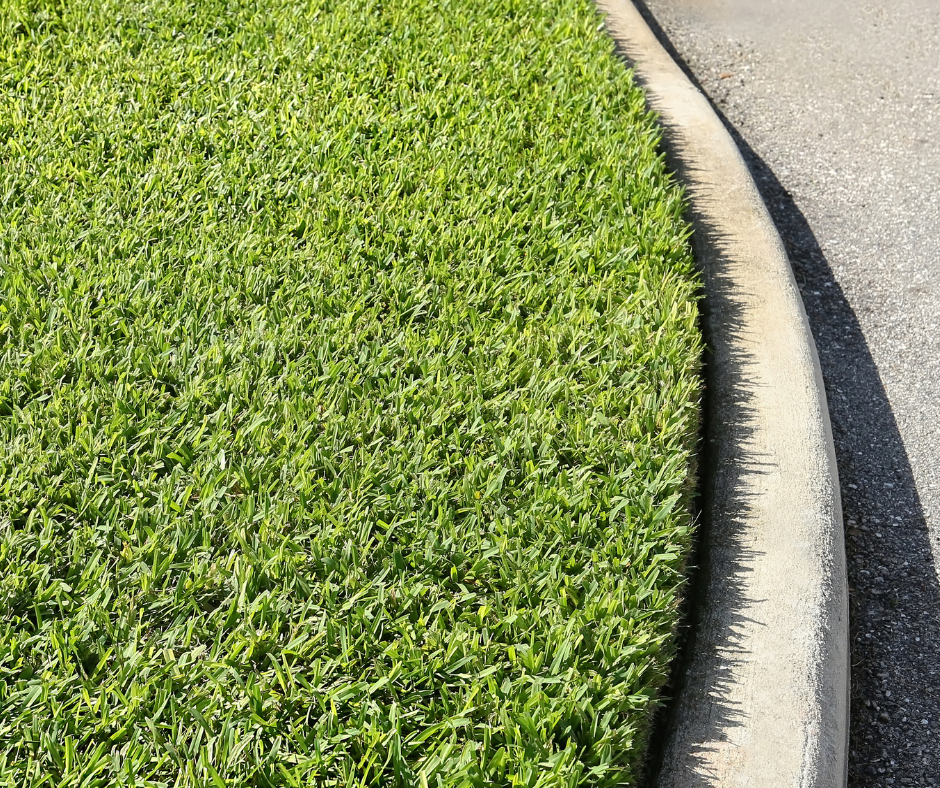
 If your yard looked great in May and now, somewhere in the thick of a North Texas August, it’s gone patchy, pale, and crunchy underfoot — you’re not doing anything wrong on purpose. St. Augustine is the most popular lawn grass in the DFW area for good reason: it’s lush, it handles our clay soils, and it shades out weeds. But late summer is when it gets tested, and it will tell on you if a few things are off.
The good news is that a struggling St. Augustine lawn in August is almost always fixable. The trick is figuring out which problem you actually have, because “my grass is brown” can mean four or five very different things — and the fixes are not the same. Here’s how to read the signs and turn it around.
First, Understand What August Does to Your Lawn
By August, your grass has been baking for two solid months. Soil temperatures climb, the ground dries out fast, and any weakness in your watering, mowing, or soil finally shows. On top of that, this is peak season for the two things that hurt St. Augustine most in Texas: chinch bugs and heat-loving lawn fungus. Add a city watering restriction or a busy month where the yard got ignored, and a healthy lawn can slip in a matter of weeks.
So before you dump more water or fertilizer on it, take five minutes to figure out what’s really going on.
The Most Common Reasons It’s Struggling
- You’re watering — but watering wrong.
This is the number one culprit. Short, daily sprinkler runs feel like you’re being generous, but they only wet the top inch of soil. That trains roots to stay shallow, right where the heat is worst. St. Augustine wants a deep soak — about an inch of water, once or twice a week — delivered early in the morning so it soaks in before the sun burns it off. If you can only water a couple of days a week under restrictions, that’s actually fine; just make those days count.
- Chinch bugs are feeding on it.
Chinch bugs are the classic August villain in DFW, and their damage looks almost exactly like drought stress — which is why so many homeowners water a dead patch for weeks with no result. Look for irregular yellow-to-brown patches in the hottest, sunniest parts of the yard, often near sidewalks and driveways, that keep spreading and never green back up no matter how much you water. If you part the grass at the edge of a patch and see tiny black-and-white insects moving around the thatch, that’s your answer. This one needs treatment, not more water.
- A summer fungus has moved in.
Gray leaf spot loves exactly what August gives it: heat, humidity, and a lawn that’s been watered in the evening or hit with too much nitrogen. You’ll see gray or tan spots on the blades and thinning, washed-out patches. (Its cooler-weather cousin, brown patch, shows up more in fall and spring.) Fungus is usually a watering-habit problem in disguise — watering at night leaves the blades wet for hours, which is all a fungus needs to get going.
- You’re mowing it too short.
St. Augustine is not a grass you want to scalp, especially in summer. Cutting it low exposes the soil to direct sun, dries it out faster, and invites weeds. In the heat, raise your mower and keep it on the tall side. Longer blades shade their own roots and hold moisture — it’s the cheapest lawn upgrade there is.
- The soil is compacted and stressed.
Our North Texas clay gets rock-hard when it dries, and hard soil sheds water instead of absorbing it. If water tends to run off into the street instead of soaking in, or the ground feels like concrete, compaction is working against everything else you’re doing.
How to Actually Save It
Once you know what you’re dealing with, the recovery plan is straightforward. Here’s the order we’d tackle it in:
- Fix the watering first: once or twice a week, deep, early in the morning — aim for about an inch total. Skip evening watering, which invites fungus.
- Raise the mower and keep the blade sharp: cutting on the tall side shades the soil and helps the lawn hold moisture through the worst of the heat.
- Rule out chinch bugs: if a browning patch keeps spreading in a sunny area and shrugs off watering, check for chinch bugs and treat before they take more of the yard.
- Ease up on fertilizer for now: heavy nitrogen in peak heat pushes tender growth that stress and fungus love. Hold off on feeding until temperatures ease in early fall.
- Address compaction: if water runs off instead of soaking in, aerating opens up our clay so roots can finally breathe and drink.
Do those things and most August lawns bounce back within a few weeks. The one exception is damage that’s already killed the grass down to bare soil — that may need re-sodding or plugging once the weather cooperates, and early fall is the perfect window for it here in DFW.
When It’s Time to Call in Help
Sometimes it’s genuinely hard to tell drought from bugs from fungus — they can look alike, and treating the wrong one just wastes weeks you don’t have while the problem spreads. If your St. Augustine keeps declining no matter what you try, or you’d simply rather hand it off before the yard gets worse, that’s exactly the kind of thing we handle every summer.
Fallas Landscape works with lawns across the DFW area, and we know what North Texas heat, clay, and pests do to St. Augustine this time of year. We can diagnose what’s actually wrong, get it on the right recovery plan, and set it up to come back strong into fall.
Not sure what’s wrong with your lawn? Let us take a look before it gets worse. Reach out to Fallas Landscape and we’ll help you get your St. Augustine green again.