
 By Fallas Landscape | Summer 2026 | Serving Plano, Frisco, McKinney, Allen & the Greater DFW Area
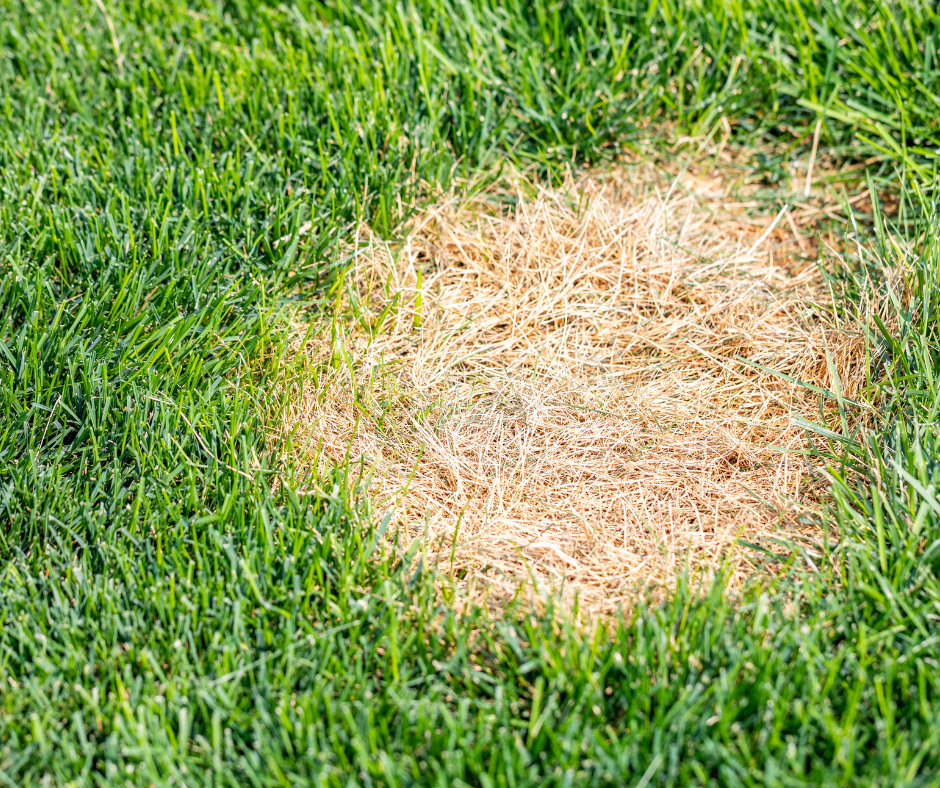
You spent the spring getting your lawn into shape — fertilizing, edging, watering just right. Then June hits, the temperatures climb past 95°, and suddenly there are brown patches spreading across your yard that weren’t there last week. You water more. The patches keep growing. What’s going on?
Chances are, your lawn isn’t thirsty. It’s under attack.
Summer in North Texas is prime season for three of the most destructive lawn problems homeowners in DFW deal with: chinch bugs, white grubs, and lawn fungus. Each one looks different, behaves differently, and requires a different response. But all three share one brutal truth — the longer you wait, the more damage they do. Here’s how to identify them fast and take action before they take over.
Enemy #1: Chinch Bugs
What They Are
Chinch bugs are tiny insects — adults are barely 1/6 of an inch long — but they cause outsized destruction in North Texas lawns. They thrive in hot, dry conditions and are most active from June through September, making DFW summers their ideal hunting ground. St. Augustine grass is their favorite target, though Bermuda and Zoysia aren’t immune.
Chinch bugs damage your lawn by piercing individual grass blades and sucking out the plant’s juices. As they feed, they inject a toxic substance that further disrupts water flow through the grass, causing it to dry out and die even when moisture is present. This is why chinch bug damage is so often mistaken for drought stress — the lawn looks parched even after watering.
How to Spot Them
Chinch bug damage typically starts as irregular, yellowing patches in the sunniest, hottest parts of your yard — along sidewalks, driveways, and south-facing slopes. The patches turn brown quickly and continue to expand outward as the bugs move to fresh grass.
To confirm chinch bugs are the cause, try the coffee can test: remove both ends from a metal coffee can, press one end firmly into the turf at the edge of a damaged area, and fill it with water. Keep refilling for about a minute. If chinch bugs are present, they’ll float to the surface within 30–60 seconds. Look for tiny black-and-white insects about the size of a sesame seed.
How to Stop Them
Act immediately — chinch bugs reproduce rapidly in summer heat. Insecticides containing bifenthrin or cyfluthrin are highly effective when applied directly to affected areas and the surrounding turf. Water the lawn lightly before application to drive the bugs up toward the surface, then apply in the early morning or evening to avoid burning stressed grass.
Repeat applications may be necessary, as eggs can hatch after the first treatment. If damage is widespread, call a professional — a trained eye can assess the infestation and recommend the right product and timing so you don’t waste money on repeated treatments.
Prevention tip: Avoid over-fertilizing with nitrogen in early summer, which produces the lush, soft growth chinch bugs love. Proper mowing height (keeping St. Augustine at 3–4 inches) also reduces the warm, sheltered environment these pests prefer.
Enemy #2: White Grubs
What They Are
White grubs are the larvae of several beetles common to North Texas, including June bugs and masked chafers. The adults lay eggs in your lawn in early summer, and those eggs hatch into C-shaped, creamy-white larvae that spend the rest of summer and early fall feeding underground — specifically on the roots of your grass.
Because the damage happens below the surface, grub infestations often go undetected until the lawn is severely affected. By the time you see the symptoms, the root system may already be significantly weakened.
How to Spot Them
Grub damage appears as irregular brown patches that look wilted and dead. The telltale test is simple: grab a handful of the affected turf and pull upward. If the grass peels back like a loose rug — with little to no resistance — you have a grub problem. The roots have been eaten away, leaving nothing to anchor the turf.
You can also peel back a one-square-foot section of sod with a shovel and count the grubs visible in the top few inches of soil. More than 5–6 grubs per square foot is enough to cause visible lawn damage and warrants treatment.
You may also notice secondary evidence: armadillos, raccoons, or birds aggressively digging up sections of your yard. These animals can smell grubs underground and will tear apart an infested lawn overnight.
How to Stop Them
Timing is everything with grubs. Young grubs (newly hatched in June and July) are far easier to kill than mature larvae later in the season. Products containing imidacloprid or chlorantraniliprole are commonly used and most effective when applied early in the infestation cycle. Water the lawn well after application to move the product down into the root zone where grubs live.
If grubs are already mature (August and beyond), trichlorfon is a faster-acting option, though it works best on a shorter window. Some natural options, such as beneficial nematodes or milky spore, can be effective over time but require consistent application and won’t rescue a lawn in immediate crisis.
Prevention tip: A preventive grub treatment applied in May or June — before eggs hatch — is the most cost-effective strategy for lawns that have had grub problems in previous years. Ask your lawn care provider about a preventive program if you’ve seen grub damage before.
Enemy #3: Lawn Fungus
What It Is
Lawn fungus is a broad term covering several fungal diseases that become active under specific conditions — and North Texas summers create the perfect storm. Warm overnight temperatures combined with humidity, excessive irrigation, or frequent afternoon thunderstorms produce the moist, warm environment where fungal spores thrive.
The most common fungal diseases affecting DFW lawns in summer include:
- Brown Patch — the most widespread, affecting St. Augustine and Bermuda. Creates circular or irregular brown rings, often with a darker outer border.
- Take-All Root Rot — a more serious disease that attacks the root system, causing yellowing followed by rapid dieback. Common in St. Augustine lawns with poor drainage.
- Gray Leaf Spot — shows up as small gray or tan lesions on individual grass blades, primarily in St. Augustine. Outbreaks often follow periods of heavy rain or overwatering.
How to Spot It
Unlike insect damage, fungal disease often appears more suddenly and spreads in a distinct pattern. Brown patch creates rings or arcs of dead or dying grass. Gray leaf spot produces a silvery, smoke-colored appearance across the affected turf before the blades die. Take-all root rot causes a general yellowing that worsens despite normal care.
Check your irrigation schedule and recent weather. If your lawn has been consistently wet in the evenings — from rain, sprinklers running late in the day, or standing water — fungal disease is a strong suspect. Fungal damage also tends to be more evenly spread across an area, rather than concentrated in the hot spots where chinch bugs prefer to start.
How to Stop It
Fungicide treatments can stop an active outbreak, but recovery also requires correcting the conditions that caused it. Products containing azoxystrobin, propiconazole, or thiophanate-methyl are commonly used for DFW lawn fungus and should be applied according to label instructions.
At the same time, adjust your irrigation schedule immediately. Water deeply but infrequently — typically 1 to 1.5 inches per week — and always water in the early morning so the grass dries completely before nightfall. Avoid watering in the evening or at night, which leaves the lawn wet for hours and accelerates fungal spread.
Prevention tip: Proper fertilization is key. Too much nitrogen in summer promotes the tender, fast-growing grass that’s most vulnerable to fungal attack. A soil test can reveal whether nutrient imbalances are contributing to your lawn’s susceptibility.
The Common Thread: Act Fast
Whether it’s chinch bugs, grubs, or fungus, the damage these problems cause accelerates quickly in DFW’s summer heat. A small brown patch in early June can turn into a large dead zone by the Fourth of July if left untreated. And once the grass is dead, you’re not just treating a pest problem — you’re looking at reseeding or resodding, which is a much bigger and more expensive project.
The smart move is to inspect your lawn regularly through the summer — especially after any stretch of extreme heat or heavy rain — and call a professional at the first sign of trouble. Early diagnosis saves grass. And it saves money.
Let Fallas Landscape Protect Your Investment
At Fallas Landscape, we know DFW lawns inside and out. Our team serves homeowners across Plano, Frisco, McKinney, Allen, The Colony, Little Elm, and the surrounding communities — and we’ve seen what summer can do to an unprotected lawn. From diagnosing what’s really behind that brown patch to putting together a full summer lawn care program, we’re here to help you keep your yard healthy and looking great all season long.
Don’t wait until the damage spreads. Call us today.
📞 972.517.LAWN (5296) 🌐 fallaslandscape.com