
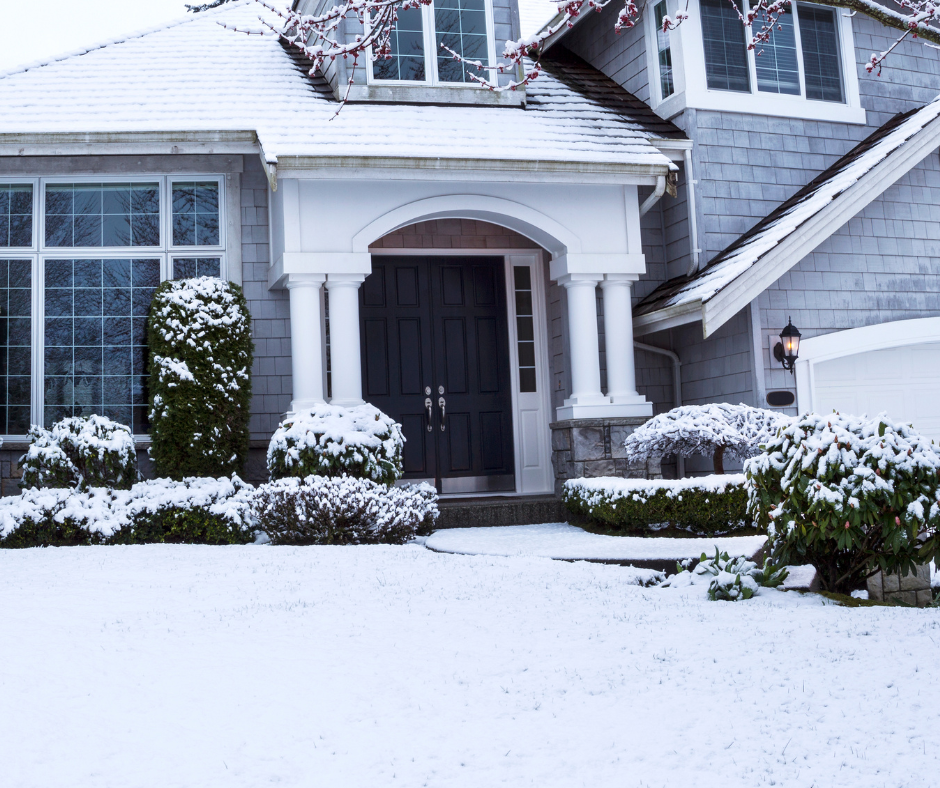
Snow in North Texas might be rare, but when it arrives, it can leave your landscape needing some extra attention. While our subtropical climate doesn’t prepare our plants and lawns for winter weather the way northern landscapes are conditioned, a few strategic steps after a snow event can protect your investment and ensure your yard bounces back beautifully.
Wait Before You Walk
The first rule after snow in North Texas is patience. Resist the urge to walk across your lawn while snow is still present or immediately after it melts. Frozen grass blades are brittle and can easily break under foot traffic, and compacted, saturated soil can suffer long-term damage. Give your turf at least a day or two to recover before resuming normal use.
Assess Plant Damage Carefully
Once the snow has melted, take a walk through your landscape to evaluate any damage. Look for broken branches, torn leaves, or plants that appear flattened. However, don’t rush to prune or remove plants that look damaged. Many North Texas plants that appear dead or severely damaged after snow are simply dormant or stressed and will recover once temperatures warm up.
For trees and shrubs with broken branches, you can carefully remove any that are clearly snapped or hanging dangerously. Make clean cuts just above a healthy bud or branch junction. For everything else, the best approach is to wait until spring when you can better assess what has truly died back versus what will regenerate.
Address Standing Water
North Texas clay soil doesn’t drain quickly, and melting snow can leave puddles and soggy areas in your yard. Standing water can suffocate grass roots and create conditions for fungal diseases. If you notice persistent standing water, consider these solutions:
• Gently aerate affected areas once the soil is workable (not too wet)
• Add a thin layer of compost to improve soil structure over time
• For recurring problem areas, consult with a landscape professional about drainage solutions
Hold Off on Fertilizing
After a snow event, your lawn and plants need recovery time, not a feeding. Fertilizing too early, especially when plants are still stressed or soil temperatures are too cold, can do more harm than good. Wait until consistent spring temperatures arrive and your grass shows active green growth before applying any fertilizers. For North Texas, this typically means waiting until late March or early April.
Check Your Irrigation System
Snow and freezing temperatures can damage exposed irrigation components. Once the weather has stabilized, run a manual check of your irrigation system. Look for cracked pipes, broken sprinkler heads, or leaks. If you notice any issues, address them promptly to avoid water waste and ensure your system is ready for the growing season ahead.
Protect Tropical and Tender Plants
If you have tropical plants like hibiscus, bougainvillea, or citrus trees, they may have suffered cold damage even with snow cover. Don’t remove what looks like dead growth right away. These plants often regenerate from their roots or lower stems. Keep the damaged foliage in place as it provides some protection if another cold snap arrives. You can trim away the dead material in late spring once new growth clearly indicates where the plant is viable.
Refresh Your Mulch
Snow can displace mulch in your beds, and the freeze-thaw cycle may have broken it down more quickly. Once the soil has dried out a bit, check your mulched areas and add where needed. A fresh 2-inch layer of mulch helps to hold moisture, prevents weeds, and regulates soil temperature as spring approaches.
Plan for Prevention
While snow in North Texas is unpredictable, you can take steps to minimize future damage. Consider planting more cold-hardy varieties, ensuring proper drainage throughout your landscape, and keeping trees and shrubs properly pruned to reduce the weight of snow accumulation on branches.
When to Call in the Professionals
Some post-snow situations warrant professional help. If you have large trees with significant damage, complex drainage issues, or you’re unsure about the health of valuable specimen plants, consulting with a landscape professional can save you time, money, and heartache in the long run.
Your North Texas landscape is resilient, and with a little patience and proper care after snow, it will return to its vibrant self. The key is not to overreact but to provide gentle support as your plants and lawn naturally recover from the unusual weather event.
Need help assessing or repairing your landscape after winter weather? Contact Fallas Landscape for expert guidance tailored to North Texas conditions.