
 By Fallas Landscape | Spring 2026 | Serving Plano, Frisco, McKinney, Allen & the Greater DFW Area
Spring in North Texas is a narrow window of opportunity. Between late February and early May, temperatures are warm enough to plant but not yet punishing — and that’s exactly when a well-designed flower bed can take root and flourish before summer arrives. If your beds are looking bare after winter, you’re not alone. The good news? With the right plan, the right plants, and a little elbow grease, you can transform those empty patches into a colorful, season-long showstopper.
Here’s how to design a spring flower bed that won’t just survive the North Texas heat — it will thrive in it.
Step 1: Start with Your Soil
North Texas soil is notoriously heavy and clay-dense, which means it holds water poorly in summer and can become concrete-hard when dry. Before planting a single seed or transplant, take time to amend your soil. Mix in 3–4 inches of compost and work it in at least 8 inches deep. This improves drainage, adds nutrients, and gives roots the loose, aerated environment they need to establish quickly.
If your beds have never been amended, consider a soil test. Knowing your pH and nutrient levels takes the guesswork out of fertilizing and helps you choose plants that are naturally suited to your conditions.
Step 2: Choose the Right Plants for DFW Spring (and Beyond)
The key to a beautiful North Texas flower bed is selecting plants that can bridge spring beauty with summer toughness. Here are some proven performers:
Spring Annuals (Color Now):
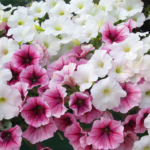 Petunias — vibrant, heat-tolerant, and excellent for borders
- Snapdragons — cool-season bloomers that shine in March and April
- Dianthus — fragrant and long-lasting through mild spring weather
- Pansies — ideal for late winter to early spring color
Perennials (Color Year After Year):

- Black-eyed Susans — drought-tolerant and beloved by pollinators
- Salvia — spiky blooms in red, purple, and blue that bees adore
- Lantana — a summer workhorse that starts strong in spring
- Autumn Sage — blooms from spring all the way into fall
Mixing annuals and perennials gives you the best of both worlds: immediate color from annuals while perennials establish their roots for bigger displays in years to come.
Step 3: Design for Depth and Visual Impact
A flat flower bed is a forgettable flower bed. Great design uses height variation to create depth and draw the eye. Follow this simple layering rule: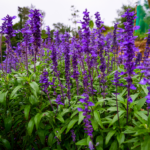
- Tall plants (2–3 ft) in the back — try ornamental grasses, Salvia greggii, or Knockout Roses
- Medium plants (12–24 in) in the middle — Black-eyed Susans, Coneflowers, or Lantana
- Low-growing plants (6–12 in) along the front edge — Dianthus, Petunias, or Creeping Phlox
Also think in odd numbers — groupings of 3 or 5 of the same plant look far more natural than a single specimen. And don’t forget color flow: pair warm tones (red, orange, yellow) for energy, or cool tones (purple, blue, white) for a calming, elegant look.
Step 4: Mulch Is Non-Negotiable
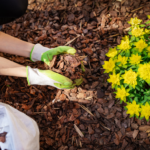 Once your plants are in the ground, cover the entire bed with 2–3 inches of quality mulch. In North Texas, this step is not optional — it’s essential. Mulch does four things your flower bed desperately needs:
- Retains soil moisture during the dry spring winds
- Regulates soil temperature as summer heat builds
- Suppresses weeds that compete for water and nutrients
- Breaks down over time, improving your clay soil
Hardwood mulch or cedar mulch works great in DFW. Keep it a few inches away from plant stems to prevent rot, and refresh it each spring as it decomposes.
Step 5: Water Smart from Day One
New transplants need consistent moisture to establish their root systems — typically 2–3 times per week for the first few weeks. After that, most drought-tolerant perennials only need watering once or twice a week, depending on rainfall. Morning watering is always best; it allows foliage to dry before the heat of the day and reduces the risk of fungal issues.
If you don’t have a drip irrigation system or soaker hoses, spring is a great time to add them. They deliver water directly to the root zone, reduce waste, and take the daily watering chore off your plate as summer arrives.
Let Fallas Landscape Bring Your Vision to Life
Designing a flower bed that looks great in April AND holds up through a Texas August takes experience, plant knowledge, and a design eye. At Fallas Landscape, we’ve been helping DFW homeowners create beautiful, low-maintenance landscapes for years — from Plano and Frisco to McKinney, Allen, and beyond.
Whether you want us to design and install a new bed from scratch, refresh your existing landscaping with seasonal color, or build a full irrigation system to keep everything thriving through the summer, our team is ready.
Ready to go from bare to beautiful this spring?
Contact Fallas Landscape today for a free estimate.
📞 972.517.LAWN (5296) | 🌎 fallaslandscape.com