
As the new year is here in North Texas, many homeowners think winter is a time to ignore the yard until warmer days return. But at Fallas Landscape, we know the truth: what you do (or don’t do) during these cooler months directly impacts how lush and healthy your lawn and landscape will look when spring arrives. North Texas winters are typically mild, with occasional hard freezes and dry spells that can stress dormant grasses and plants. The good news? A few simple, low-effort maintenance tasks now can set your yard up for a vibrant, weed-free comeback in March and April.
Proper winter care strengthens root systems, prevents common issues like winter weeds or freeze damage, and reduces the work you’ll face in spring. Whether you have Bermuda, St. Augustine, or a mix of landscape beds, these easy tips will help you maintain a healthy foundation without spending every weekend outdoors.
- Water Wisely During Dry Spells
Even in winter, North Texas can go weeks without meaningful rain, and dormant grass still needs moisture to develop deep roots. The key is deep, infrequent watering rather than frequent light sprinkles.
Aim to water every 2-3 weeks if we haven’t had at least an inch of rain. Focus on mornings to allow grass blades to dry before evening temperatures drop. A crucial tip: water deeply the day before a forecasted hard freeze. Moist soil insulates roots better than dry soil, reducing the risk of freeze damage.
For established lawns, about ½ to 1 inch of water per session is plenty. Use a tuna can or rain gauge to measure output from your sprinklers. This simple habit pays off big in spring with thicker, greener turf.
- Adjust Your Mowing Routine
Your warm-season grass may go dormant and turn brown, but it doesn’t stop growing roots underground. Keep mowing as needed through early winter, but make adjustments for colder weather.
Set your mower blade higher than in summer—around 3-3.5 inches for Bermuda or 2.5-3 inches for St. Augustine. Taller blades shade the soil, retain moisture, and help prevent weed germination. Mow less frequently, only when grass reaches about one-third above your target height.
For your final mow before consistent freezes, you can lower the blade slightly to reduce matting and disease risk. Always use a sharp blade to avoid tearing grass, which can invite problems. Minimal mowing now means less thinning and faster green-up in spring.
- Tackle Winter Weeds Early
Winter weeds like henbit, rescuegrass, and annual bluegrass love to sprout during mild North Texas winters. The easiest way to control them is prevention with a pre-emergent herbicide applied in late fall or early winter.
If you missed the fall window, a second application in January can still help. Choose a product labeled for your grass type and follow instructions carefully. Combine this with maintaining proper mowing height and watering to create conditions where weeds struggle to establish.
Hand-pulling small patches is another low-effort option for landscape beds. Getting ahead of weeds now means far fewer headaches when spring growth explodes.
- Clean Up Debris and Refresh Mulch
Fallen leaves, twigs, and debris can mat down on dormant grass, trapping moisture and encouraging fungal diseases. Rake or mulch leaves with your mower a few times through winter to keep the lawn clear.
In landscape beds, add or refresh a 2-3 inch layer of organic mulch around trees, shrubs, and perennials. Mulch insulates roots from temperature swings, retains soil moisture, and suppresses weeds. Hardwood mulch or native Texas varieties work well and break down to improve soil over time.
This simple step also gives your yard a tidy appearance through the bare winter months and protects tender plants from occasional deep freezes.
- Protect Plants and Irrigation Systems
North Texas freezes can damage tender tropicals, young trees, and plumbing. Cover sensitive plants with frost cloth or blankets on nights below 32°F, and uncover them during the day to allow light and air circulation.
For established shrubs and perennials, mulch provides good protection. Wrap young tree trunks with guards to prevent sunscald and frost cracks.
Don’t forget your irrigation system. If temperatures will dip into the 20s for several hours, consider professional winterization—draining lines and shutting off the controller—to prevent burst pipes. At Fallas Landscape, we often help clients with this quick service to avoid costly repairs.
- Prune Selectively and Plan Ahead
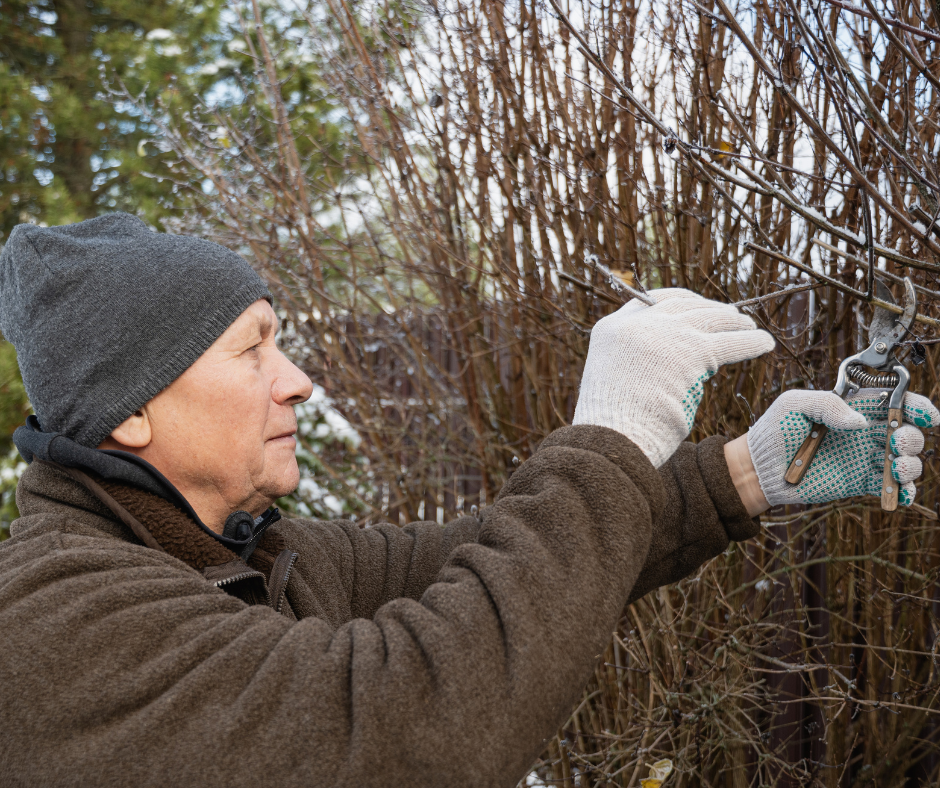
Late winter (February) is ideal for pruning many deciduous trees and summer-blooming shrubs while they’re dormant. Remove dead, damaged, or crossing branches to improve structure and airflow.
Avoid heavy pruning on spring-blooming plants like azaleas or Texas mountain laurel until after they flower. Hold off on pruning oaks until after the risk of oak wilt transmission decreases in midsummer.
Use this quieter season to assess your landscape. Note areas that need new plants, improved drainage, or refreshed design. Planning now means you’ll be ready to install when soil warms in spring.
Enjoy a Stronger, Greener Spring
These straightforward winter maintenance tasks—watering wisely, smart mowing, weed prevention, cleanup, protection, and selective pruning—require minimal time but deliver maximum results. Your lawn and landscape will emerge stronger, with deeper roots, fewer weeds, and better overall health for the growing season ahead.
At Fallas Landscape, we’ve helped countless North Texas homeowners maintain beautiful yards year-round. If you’d prefer to leave the winter prep to professionals or want guidance tailored to your property, contact us today for a consultation. Here’s to a vibrant spring ahead!