Summer is in full swing, and for Texas homeowners and landscaping enthusiasts, that means dealing with intense heat. High temperatures can be brutal on both people and plants, making landscaping a challenge. But have no fear! With the right strategies, you can maintain a beautiful and healthy lawn even in the scorching Texas sun.
We’ll walk you through five essential mid-summer landscaping tips to help your lawn thrive. From choosing the right plants to effective watering techniques, you’ll find all you need to keep your yard lush and vibrant.
Choose Heat-Tolerant Plants
One of the best ways to ensure your garden survives the Texas heat is by selecting plants that can thrive in high temperatures. This doesn’t mean sacrificing beauty for hardiness; there are plenty of stunning plants that love the sun.
Native Species
Native plants are naturally adapted to the local climate and soil conditions, making them a perfect choice. Species such as the Texas sage, lantana, and blackfoot daisy are not only drought-tolerant but also attract butterflies and other pollinators to your garden.
Succulents and Cacti
Succulents and cacti are excellent choices for hot climates. They store water in their leaves, which helps them survive long periods without watering. Consider adding varieties like agave, aloe, and prickly pear cactus for a low-maintenance, heat-resistant landscape.
Perennials
Perennials such as coneflowers, salvias, and yuccas are ideal for Texas gardens. These plants return year after year, providing consistent beauty with minimal effort. Their deep root systems help them withstand periods of drought, making them perfect for the Texas heat.
Mulch to Retain Moisture
Mulching is a critical step in protecting your garden from the intense summer sun. It helps retain moisture, regulate soil temperature, and suppress weed growth, providing multiple benefits for your plants.
Types of Mulch
Organic mulch, such as wood chips, straw, and compost, adds nutrients to your soil as it decomposes. Inorganic mulch, like gravel or rubber, doesn’t break down but is excellent for long-term use.
Application Tips
Apply a 2 to 3-inch layer of mulch around your plants, ensuring you leave a little space around the stems to prevent rot. This layer will help keep the soil cool and moist, reducing the need for frequent watering.
Benefits of Mulching
By mulching, you not only conserve water but also improve the overall health of your soil. Mulch acts as a barrier against the sun’s rays, keeping the soil temperature stable and preventing the roots from getting too hot.
Efficient Watering Techniques
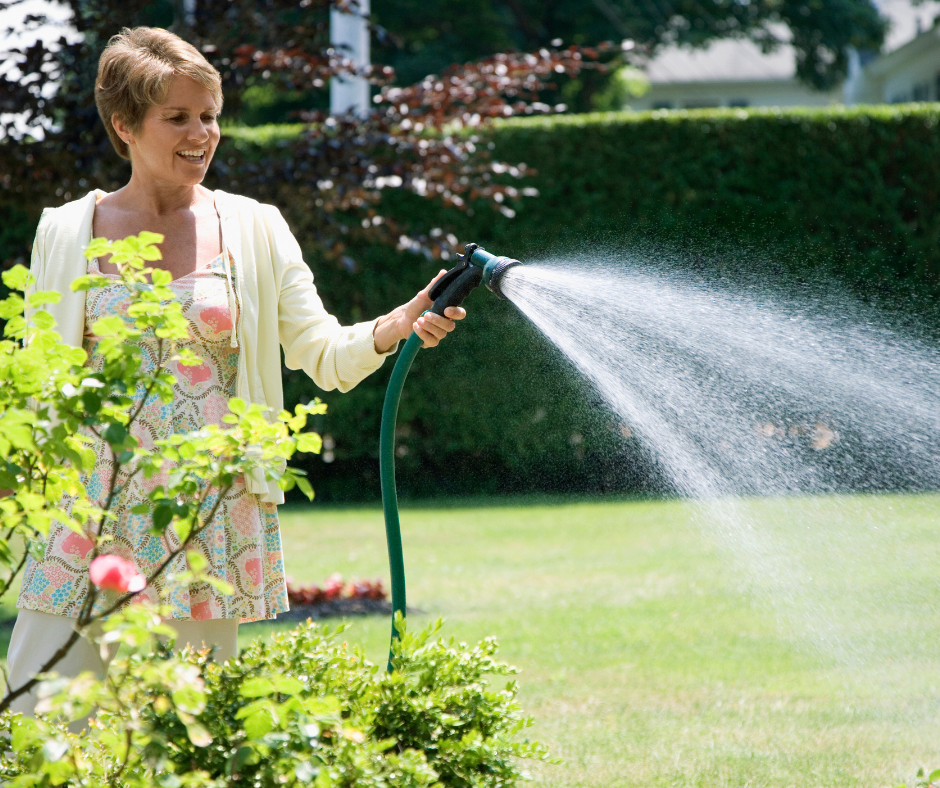
Watering your lawn properly is vital for plant health, especially during the hot summer months. However, not all watering methods are created equal.
Drip Irrigation
Drip irrigation systems provides water to the roots of your plants, lessening evaporation and runoff. This method is efficient and ensures that your plants get the moisture they need without wasting water.
Morning Watering
Water your lawn and plants in the early morning when temperatures are cooler. This allows the water to soak into the soil before the heat of the day causes it to evaporate. Morning watering also helps prevent fungal growth, which can occur if plants stay wet overnight.
Deep Watering
Encourage deep root growth by watering deeply but less frequently. This method trains your plants to develop stronger, more resilient root systems that can better withstand periods of drought.
Provide Shade for Sensitive Plants
Even heat-tolerant plants can benefit from some shade during the hottest part of the day. Providing shelter for your more delicate plants can prevent sunburn and reduce water stress.
Shade Cloth
Installing shade cloth over your flower beds can provide much-needed relief from the sun. These fabrics come in various densities, allowing you to control the amount of shade your plants receive.
Strategic Planting
Plant taller, sun-loving species to create natural shade for more sensitive plants. Trees, shrubs, and tall perennials can act as a barrier against the sun and help create a microclimate that’s cooler and more humid.
Moveable Containers
For plants that are particularly susceptible to heat, consider using containers that can be moved to shadier spots during peak temperatures. This flexibility allows you to protect your plants from the intense sun.
Regular Maintenance and Pruning
Regular landscape maintenance is crucial for keeping your plants healthy and attractive. Pruning and other upkeep activities not only enhance the appearance of your lawn but also promote plant health.
Pruning Tips
Remove dead or damaged branches to improve air circulation and reduce the risk of disease. Pruning also encourages new growth and helps shape your plants, making your garden look neat and well-kept.
Weeding
Getting rid of the weeds prevents unwanted plants from competing with your grass and plants for water and nutrients. Keep an eye out for weeds and remove them promptly to maintain a healthy growing environment.
Soil Health
Loosen compacted soil to improve water absorption and root growth. Adding organic matter, such as compost, can also enhance soil structure and fertility, providing a better foundation for your plants.
Final Thoughts
With these mid-summer landscaping tips, you can keep your Texas plants thriving despite the heat. By choosing heat-tolerant plants, mulching, watering efficiently, providing shade, and maintaining your lawn regularly, you’ll create a resilient and beautiful landscape.
Remember, Fallas Landscape is here to help with all your landscaping needs. Whether you need expert advice, professional maintenance, or a complete garden overhaul, we’ve got you covered. Reach out to us today to book a consultation and keep your garden looking its best all summer long.