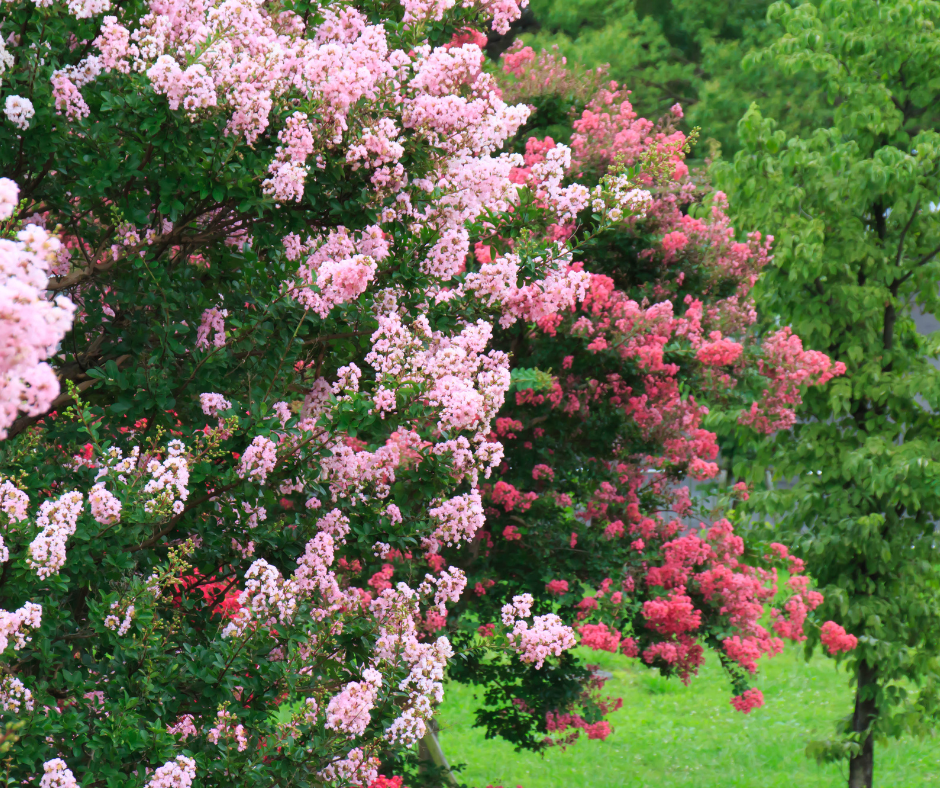
North Texas homeowners know the value of a lush, shaded yard, especially during the scorching summer months. Fast-growing trees are an excellent way to quickly establish shade, enhance privacy, and boost curb appeal. At Fallas Landscape, we’re passionate about helping you transform your outdoor space with trees that thrive in North Texas’s unique climate and soil conditions. Below, we’ve created a list of five fast-growing trees ideal for North Texas, each paired with care tips to inspire your landscaping vision.
1. Desert Willow (Chilopsis linearis)
 The Desert Willow, despite its name, isn’t a true willow but a stunning native that flourishes in North Texas’s heat and drought-prone conditions. This small tree grows 15-30 feet tall at a rate of 1-2 feet per year, making it a fantastic choice for smaller yards or as a focal point in xeriscaping. Its long, narrow leaves and vibrant pink to purple flowers bloom from spring to fall, attracting hummingbirds and butterflies. Desert Willows thrive in full sun and well-drained soil, requiring minimal water once established.
Care Tips: Plant in a sunny spot with good drainage. Avoid overwatering, as this tree is highly drought-tolerant. Prune lightly in late winter to maintain shape and encourage blooming.
2. Green Ash (Fraxinus pennsylvanica)
 The Green Ash is a hardy, fast-growing tree that can reach 60-70 feet tall, with a growth rate of 2-4 feet per year. Its expansive canopy provides ample shade, making it perfect for large yards or as a street tree. Native to Texas, it adapts to various soil types, including the clay-heavy soils common in North Texas. Its leaves turn a golden yellow in fall, adding seasonal charm. However, be mindful of potential pest issues like the emerald ash borer.
Care Tips: Plant in full sun for optimal growth. Ensure proper spacing to accommodate its wide canopy. Regular inspections for pests and diseases are recommended, especially in urban areas.
3. American Sycamore (Platanus occidentalis)
 Known for its striking white and tan exfoliating bark, the American Sycamore is a majestic, fast-growing tree that can grow 3-6 feet per year, reaching heights of 70 feet or more. Its broad leaves create dense shade, ideal for cooling homes and yards. This tree prefers moist, well-drained soils but can adapt to North Texas’s variable conditions with proper care. Its unique bark adds year-round visual interest, especially in winter.
Care Tips: Plant in a spacious area away from structures due to its large size and extensive root system. Water deeply during dry spells, especially in the first few years. Mulch around the base to retain moisture, but keep it away from the trunk.
4. Crape Myrtle (Lagerstroemia indica)
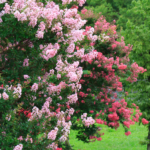 Crape Myrtles are a North Texas favorite, known for their vibrant summer blooms in shades of pink, purple, red, and white. Growing 1-3 feet per year, they can reach 15-30 feet, depending on the variety. Their colorful fall foliage and smooth, peeling bark add multi-seasonal appeal. These trees are drought-tolerant once established and thrive in full sun, making them ideal for borders or as ornamental centerpieces.
Care Tips: Choose a sunny location with well-drained soil. Prune in late winter to remove dead branches and maintain shape. Avoid “crape murder” (over-pruning) to ensure healthy growth and abundant blooms.
5. Nuttall Oak (Quercus texana)
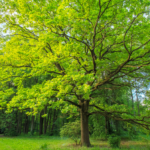 The Nuttall Oak is one of the fastest-growing oaks, adding 2-3 feet per year and reaching 40-60 feet at maturity. Its broad, leafy canopy provides excellent shade, and its vibrant red fall foliage is a showstopper. Native to Texas, it’s well-suited to the region’s clay soils and hot summers. This tree also supports local wildlife, producing acorns that attract squirrels and deer.
Care Tips: Plant in full sun or partial shade with ample space for its canopy. Water regularly during establishment, then reduce to occasional deep watering. Fertilize annually to promote vigorous growth.
Why Choose Fast-Growing Trees?
Fast-growing trees offer immediate benefits, from shading your home to reducing energy costs and enhancing privacy. However, their rapid growth can come with trade-offs, such as shorter lifespans or higher maintenance compared to slower-growing species. At Fallas Landscape, we recommend balancing speed with durability by selecting trees suited to your soil, climate, and space constraints. Proper planting and care are crucial to ensure these trees thrive for years.
Planting and Maintenance Tips
Site Selection: Choose a location with adequate sunlight and space for mature growth. Avoid planting near structures or utilities to prevent root damage.
Soil Preparation: North Texas’s clay soils can be challenging. Amend with organic matter like compost to improve drainage and nutrient availability.
Watering: Water deeply but infrequently to encourage deep root growth. Most of these trees become drought-tolerant once established.
Professional Care: Partner with a landscaping expert like Fallas Landscape for planting, pruning, and ongoing maintenance to maximize tree health and longevity.
Transform Your Yard with Fallas Landscape
Ready to add fast-growing trees to your North Texas landscape? At Fallas Landscape, we specialize in selecting and planting trees that thrive in our region’s unique conditions. Contact us today at [insert contact info] to schedule a consultation and start creating a shaded, beautiful outdoor space. Visit our website at https://www.fallaslandscape.com/ for more landscaping inspiration and services.

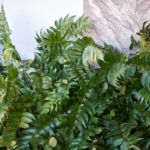 Ferns are a classic choice for shade gardens, and in North Texas, Holly Fern (Cyrtomium falcatum) and Autumn Fern (Dryopteris erythrosorba) are standout performers. Holly Ferns feature glossy, dark green fronds that add a polished look to shaded beds. Autumn Ferns bring a touch of seasonal color with fronds that emerge coppery-red before maturing to green. Both are drought-tolerant once established and thrive in well-drained, organic-rich soil. Plant them under trees or along shaded walkways for a soft, woodland vibe. Tip: Mulch around ferns to retain moisture and keep roots cool during hot Texas summers.
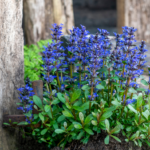 Ajuga (Ajuga reptans) is a fantastic groundcover for shady spots. Its low-growing, spreading habit makes it ideal for filling in bare areas under trees or shrubs. Varieties like ‘Burgundy Glow’ offer striking foliage in shades of green, purple, and cream, with spikes of blue flowers in spring. Ajuga is tough, tolerating both shade and the occasional drought, but it prefers moist, well-drained soil. Use it to create a carpet-like effect in your garden. Tip: Avoid planting Ajuga in areas with heavy foot traffic, as it’s not as durable as grass.
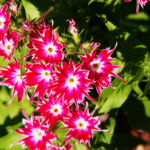 A North Texas native, Turk’s Cap is a versatile shrub that thrives in partial to full shade. Its bright red, hibiscus-like flowers bloom from summer to fall, attracting hummingbirds and butterflies. This plant is incredibly resilient, handling heat, drought, and poor soil with ease. Its heart-shaped leaves and vibrant blooms make it a focal point in any shade garden. Tip: Prune Turk’s Cap in late winter to encourage bushier growth and more flowers.
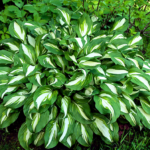 Hostas are beloved for their lush foliage and ability to brighten shady spots. With varieties ranging from deep green to variegated patterns, they offer endless options for texture and color. Hostas prefer rich, moist soil and do best in partial to full shade, making them perfect for North Texas gardens under tree canopies or along shaded borders. Tip: Protect hostas from slugs and snails by using organic deterrents like crushed eggshells or diatomaceous earth.
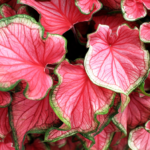 For a pop of color in shaded areas, Caladiums are hard to beat. Their heart-shaped leaves come in vibrant combinations of pink, white, red, and green, adding a tropical flair to North Texas gardens. Caladiums thrive in warm, humid conditions and prefer well-drained soil. They’re typically grown as annuals in North Texas, as they’re sensitive to cold, but you can dig up the tubers in fall to replant next spring. Tip: Pair Caladiums with ferns or hostas for a layered, textured look.
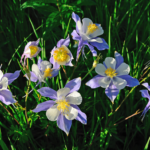 Columbine is a delicate perennial that brings charm to shaded gardens with its nodding, bell-shaped flowers. Native varieties like Aquilegia canadensis are particularly well-suited to North Texas, blooming in spring with red and yellow flowers that attract pollinators. Columbine prefers partial shade and well-drained soil, and it self-seeds readily, creating a naturalized look over time. Tip: Deadhead spent flowers to extend blooming and prevent excessive self-seeding.
 Heat and Drought Tolerant
 Versatile and Hardy
 Drought-Resistant
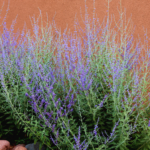 Resilient and Adaptable
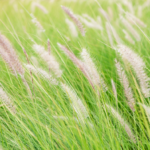 Ornamental Grass